Open-concept living spaces are loved for their bright, airy feel and easy flow between the kitchen, dining and living areas. But all that openness can come with a downside. Without walls to define each area, large open-plan rooms can sometimes feel cold, echoey or a little impersonal. The good news is that a few smart design choices can make an open space feel warm and inviting without sacrificing its sense of space. Here are the tips interior designers commonly recommend.
Why Open-Concept Spaces Can Feel Less Cozy
Open-plan rooms often have high ceilings, hard flooring and few walls, which means sound bounces around and the space can feel undefined. When furniture is spread out or pushed against the edges of the room, it can leave large empty areas that make the space feel less intimate. The key is to create a sense of structure, warmth and purpose within the openness.
1. Create Distinct Zones
One of the most effective ways to make an open-concept space feel cozier is to divide it into clear zones. Think about how you use the space, such as cooking, dining, relaxing, working or reading, and give each activity its own defined area.
Each zone should feel like a room within the room. This helps the space feel organized and purposeful, while making each area feel more intimate.
2. Anchor Each Area With a Rug
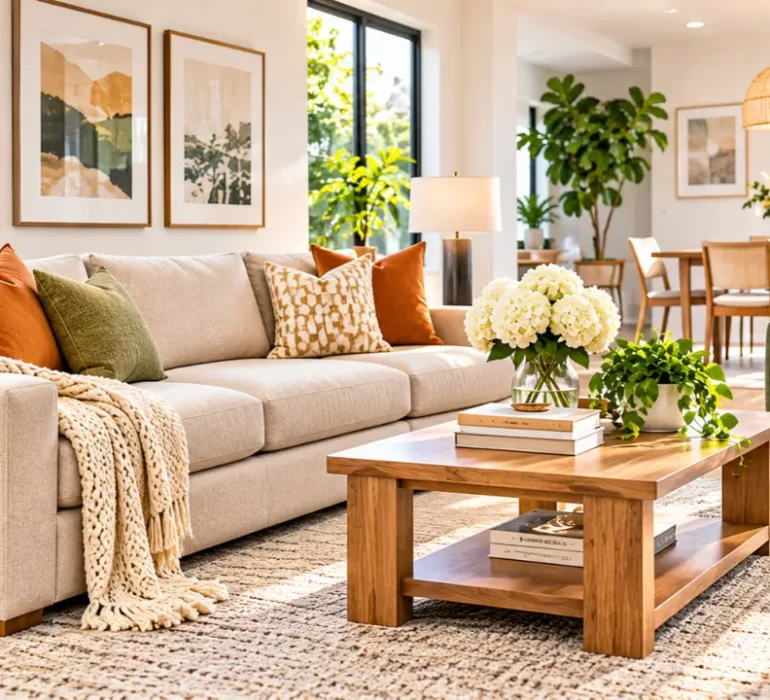
Area rugs are one of the simplest ways to define zones without building walls. Place a large rug under your living room seating and another under the dining table to visually separate the two spaces. Rugs also add softness and warmth underfoot, and they help absorb sound in rooms with hard floors. Choose rugs that complement each other in color or style so the overall space still feels connected.
3. Float Your Furniture
In open spaces, it’s tempting to push furniture against the walls, but this can leave a large empty gap in the middle of the room. Instead, float your furniture by pulling sofas and chairs into a cozy grouping. Positioning a sofa with its back facing the dining or kitchen area creates a natural boundary and makes the living area feel more enclosed.
A slim console table behind the sofa can add extra definition and provide a spot for lamps, books or decorative accessories.
4. Layer Lighting in Every Zone
A single set of ceiling lights can make an open space feel flat and harsh. Designers often recommend giving each zone its own lighting. Hang pendant lights over the kitchen island or dining table, add floor and table lamps in the living area, and use wall sconces or picture lights to create soft, warm pools of light.
Warm white bulbs and dimmer switches help create a relaxing atmosphere in the evening, making the whole space feel more inviting.
5. Use a Cohesive Color Palette
To keep an open-concept space feeling connected, choose a cohesive color palette that flows from one area to the next. You don’t need every zone to match, but repeating colors, materials and finishes helps the space feel unified.
For extra warmth, choose earthy tones like warm whites, soft beiges, caramel, terracotta or muted greens. You can also use slightly deeper shades in one zone, such as the living area, to make it feel more cocooning.
6. Add Soft Textiles to Absorb Sound
Echo is a common problem in open-plan spaces. Adding plenty of soft textiles can make the room feel quieter and cozier. Use full-length curtains, upholstered furniture, cushions, throws and fabric lampshades to absorb sound and add warmth.
Layering different textures, like wool, linen, velvet and bouclé, also gives the space depth and makes it feel more lived-in.
7. Use Open Dividers
If you want more separation without closing off the space, try open dividers. Bookshelves, open shelving units, tall plants, folding screens or slatted wood panels can gently separate zones while still letting light flow through. These dividers also add storage, display space and character.
8. Create a Cozy Nook
Even in a large open space, small, intimate corners make a big difference. Create a cozy nook with an armchair, a side table, a floor lamp and a throw blanket. A window seat, reading corner or small breakfast nook adds charm and gives you a comfortable spot to relax.
9. Bring in Natural Materials
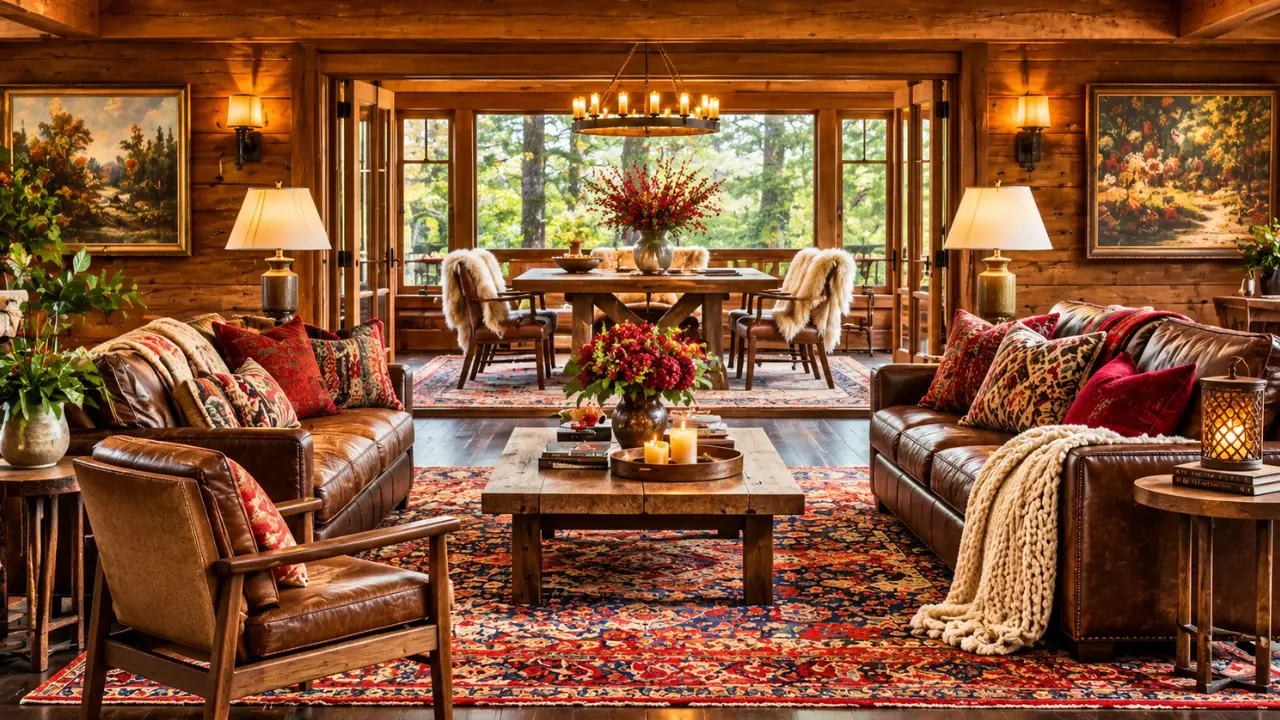
Natural materials like wood, rattan, stone, leather and linen add warmth and texture to open spaces. Wooden furniture, woven baskets, stone accents and leafy indoor plants help soften hard surfaces and make the space feel more grounded and inviting.
Ways to Make an Open-Concept Space Cozier
| Tip | Why It Works | How to Try It |
|---|---|---|
| Create zones | Gives the space structure and purpose | Define areas for cooking, dining and relaxing |
| Use area rugs | Defines zones and adds warmth | Place rugs under seating and dining areas |
| Float furniture | Creates intimate groupings | Pull sofas away from walls |
| Layer lighting | Adds warmth and mood | Pendants, lamps and dimmers in each zone |
| Cohesive color palette | Keeps the space connected | Repeat colors and materials across zones |
| Soft textiles | Reduces echo and adds comfort | Curtains, cushions, throws and rugs |
| Open dividers | Separates areas without blocking light | Bookshelves, plants or slatted panels |
| Cozy nooks | Adds intimate spots to relax | Reading corners or window seats |
| Natural materials | Softens hard surfaces | Wood, rattan, stone and plants |
FAQ
How do you make a large open-plan room feel cozy?
Divide the space into zones, use rugs to define each area, float your furniture away from the walls, and add layered lighting and soft textiles to create warmth.
How can I separate spaces in an open-concept room without walls?
Use area rugs, sofas, console tables, open bookshelves, tall plants or slatted screens to create gentle divisions while keeping the space open.
How do I reduce echo in an open-plan space?
Add soft furnishings such as rugs, curtains, upholstered furniture, cushions and throws. These materials help absorb sound and make the space feel quieter.
Should I use the same colors throughout an open-concept space?
It’s best to use a cohesive color palette. Repeating colors, materials and finishes helps the space feel connected, even if each zone has its own personality.
Bolded anchor phrases to link: open-concept, zones, area rugs, float your furniture, lighting, cohesive color palette, soft textiles, open dividers, cozy nook, natural materials.